INSTITUTIONAL INFORMATION
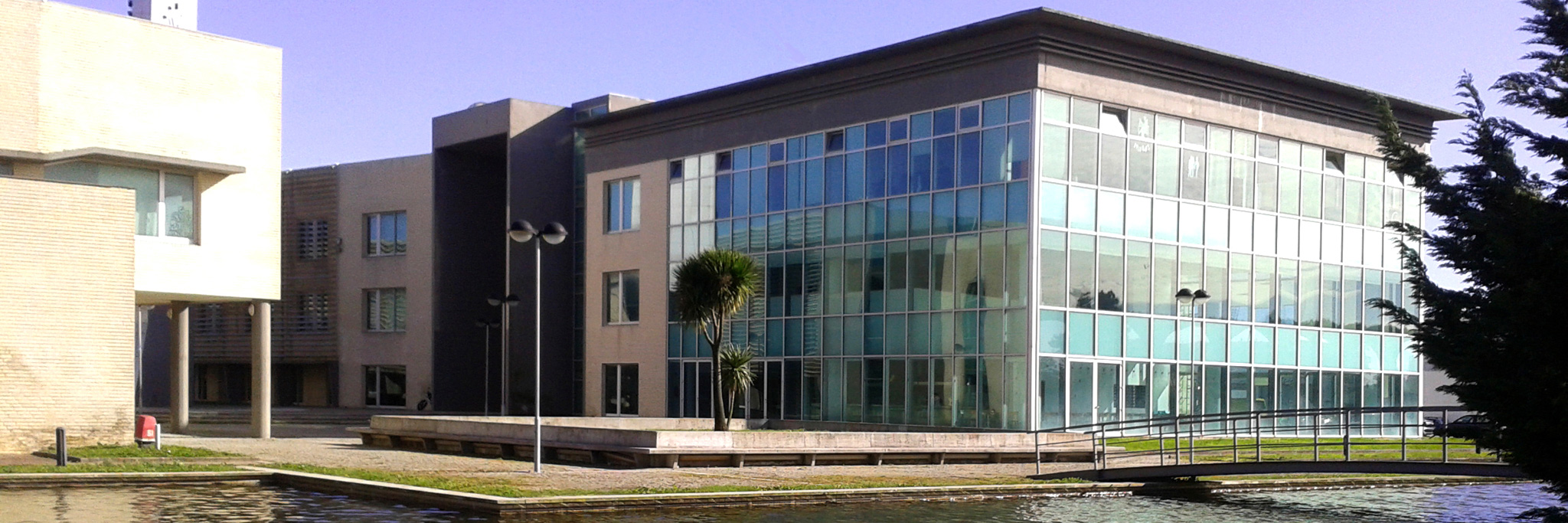
Polytechnic of Porto
Portugal
P.PORTO is higher education of excellence, but also a space of ideas and results in several areas where we make a difference. We are the engine of cultural transformation of the city, the region and the country.
We seek to respond to contemporary demands, building bridges between the academic universe, professional practice and society. We seek to ensure, in the area of formal education, the full employability of our graduates and postgraduates through a clear adaptation of our training portfolio to the needs of the business and social world.
We create strategic collaborative links with the surrounding economic fabric, in which we intervene to create concrete solutions to real problems. We collaborate and create critical mass, and we are an international community, the result of a strategy of cooperation in a network spread over four continents and with more than 300 entities
Our DNA: translating potential into advantages.
We encourage a culture of applied and innovative research, in irreverent and transversal training environments, guided by an eminently practical orientation. It is not enough to be one of the best. It is not enough to be well positioned in terms of access. It is important to gain dimension in what really distinguishes us: a P.PORTO profile balanced between academic and applied knowledge and skills. Establishing partnerships and innovating actions. Nationally and internationally.
Welcome!
Languages
Most course units are held in Portuguese. However, some offer courses in different languages depending of the host School/ field of study.
Note: Because we want you to learn more than the simple “Olá” (Hello) and “Obrigado” (Thank you), we challenge you to enhance your curriculum by learning the fifth most spoken language in the world, spoken in Portugal, Brazil, East Timor, Angola, Macau and in other countries.
You can enrol in a Portuguese as Foreign Language Course at the Polytechnic of Porto. More information will be provided during our InterNetWorking Welcome Days.
Academic Calendar
- Academic Year (September – July)
- Winter semester (September – February)
- School Activities I (September – December)
- Break of School Activities – Christmas vacation (December – January)
- School Activities II (January)
- Practical work assessment or examinations (a)(b) (January)
- Evaluation I (1st semester exams) (January – February)
- Completion of 1st semester / Preparation of 2nd semester (February)
- Summer semester (February – July)
- School Activities III (February – April)
- Break of School Activities – Easter vacation (April)
- School Activities IV (April – May)
- Break of School Activities – Queima das Fitas/Ribbon Burning (May)
- School Activities V (May – June)
- Practical work assessment or examinations (a)(b) (June)
- Evaluation (2nd semester exams) (June – July)
- Completion and closure of 2nd semester / academic year (July)
- Summer Vacation (August)
- Special Time Resit Exams (c) (September)
- (a ) This is a week for the presentation and discussion of practical work and continuous assessment.
- (b) Classes may be given, for degrees that need 16 weeks of classroom time.
- (c) This time in the subjects of Training/Project/Dissertation in Master degrees, extends until October.

Rua Dr. Roberto Frias, 712 4200-465 Porto, Portugal
41.180128214517, -8.5977660736243
Institutional Contacts




Admission
Policies
ECTS Allocation Policy
The ECTS (European Credit Transfer and Accumulation System) ensures transparency and smooth credit recognition for students studying abroad. One academic year corresponds to 60 ECTS credits, reflecting the total student workload, including classes, independent study, and assessments.
Students can spend a period at a host institution, with all credits fully recognized by their home university. While the study content may vary, the period abroad replaces an equivalent period at the home institution.
Key ECTS tools include:
- ECTS Credits: Show the workload required for each course and how it fits into the total year.
- ECTS Guide: Provides essential info about the institution and its programs.
- Learning Agreement: Lists the courses to be taken and credits to be recognized. Students follow this plan to ensure full credit transfer.
- Transcript of Records: Documents all results and credits earned during mobility.
Campuses
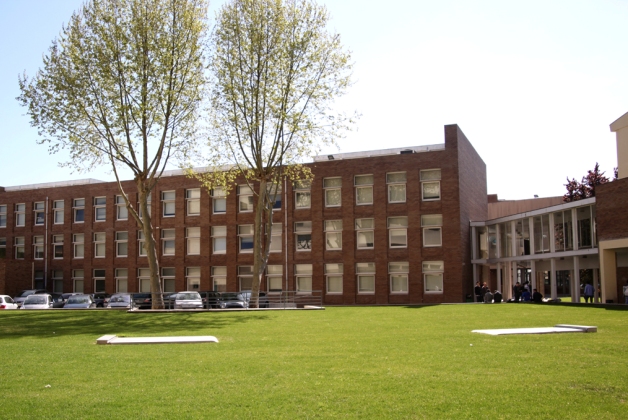
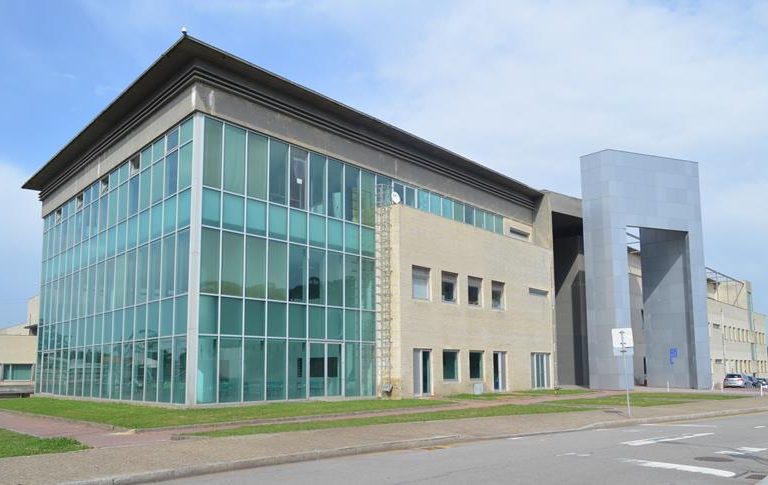
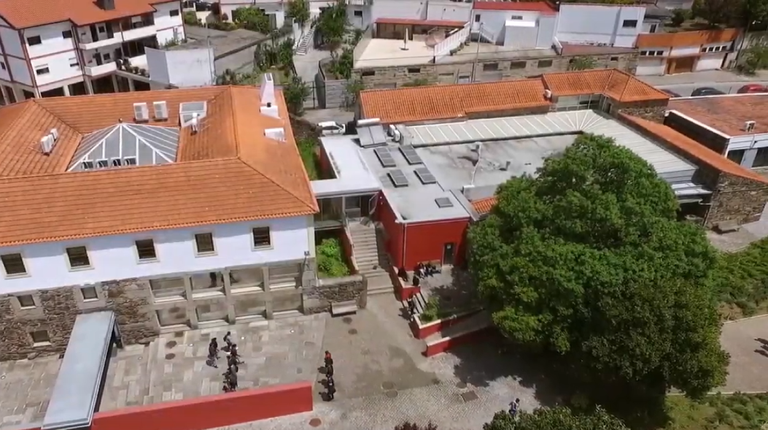
Distributed over an extensive and geographically differentiated area, ranging from the North Coast to the interior of the region, the eight P.PORTO Schools are located in three Campi.
- Porto's Campus 1 is divided between Asprela, in the northern part of the municipality, and downtown Porto. We find the Higher Institute of Engineering, the Higher Institute of Accounting and Administration, the School of Education, the School of Health, and School of Music and Performing Art, as well as various infrastructures, libraries, auditoriums, museum structures, sports facilities and numerous laboratories and research centers, in addition to the Institution's Common Services.
- Campus 2, located on the Póvoa de Varzim/Vila do Conde borderline, houses the School of Media Arts and Design and the School of Hospitality and Tourism.
- Tâmega e Sousa hosts Campus 3, where we can find the School of Technology and Management.
Organizational Units
P.PORTO Schools are, by definition, the space where we fulfil our mission and reaffirm our values. A dynamic hub of an open, challenging and multicultural community, the Schools are home to a complex of modern facilities and laboratories.
Schools enjoy statutory, pedagogical, scientific, cultural and administrative autonomy in their specific areas of intervention and within the scope of the courses they offer.
Porto School of Media Arts and Design (ESMAD)
school · C2 | CAMPUS 2
Porto School of Hospitality and Tourism (ESHT)
school · C2 | CAMPUS 2
Porto School of Health Sciences (E2S)
school · C1 | CAMPUS 1
Porto School of Technology and Management (ESTG)
school · C3 | CAMPUS 3
Porto School of Music and Performing Arts (ESMAE)
school · C1 | CAMPUS 1
Porto Higher School of Education (ESE)
school · C1 | CAMPUS 1
Porto Higher Institute of Accounting and Administration (ISCAP)
school · C1 | CAMPUS 1
Porto Higher Institute of Engineering (ISEP)
school · C1 | CAMPUS 1
Click on an Organizational Unit to see its details.