RESOURCES AND SERVICES

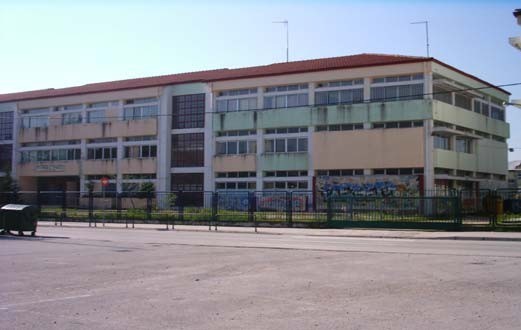
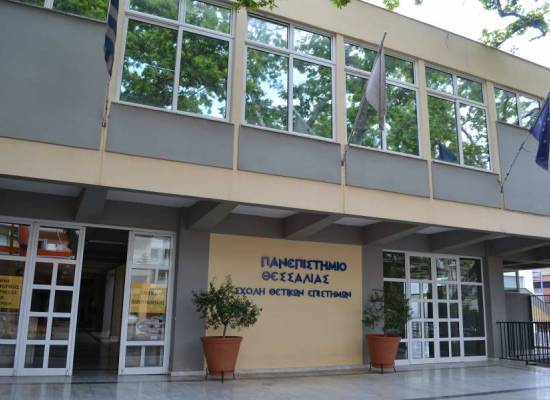
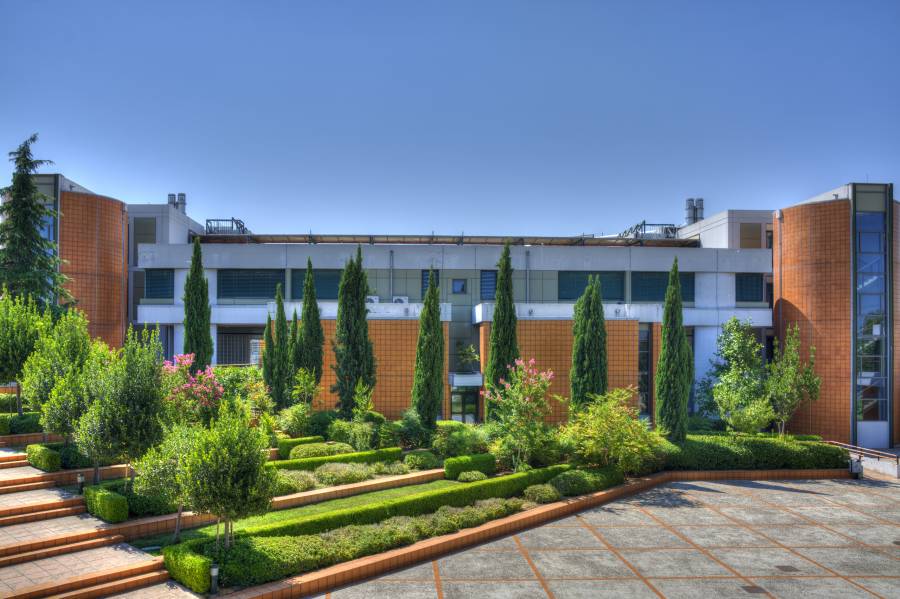
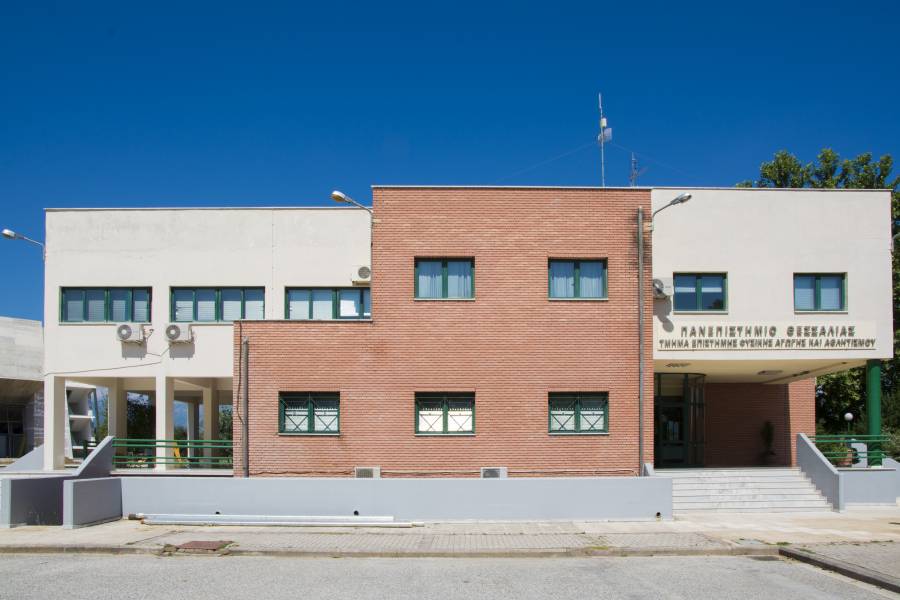
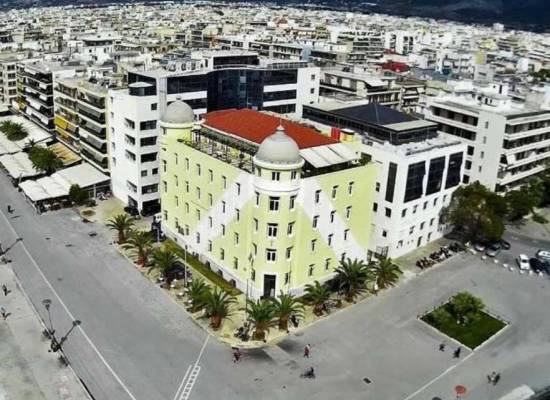
University of Thessaly - Volos campus
Students Affairs Office
- Student Welfare Department, Argonauts and Philhellenes str., PC 38 221 Volos (Papastratos building, 1st floor)
Tel: 24210 74593, 74569, 74621, 74643
e-mail: merimna@uth.gr
Financial Support for Students
- Long - term mobility: Students from Partner Countries may receive a monthly contribution to their expenses abroad of EUR 850. Each selected individual participant will get a travel contribution based on the distance from the sending to the receiving institution.
- Participation in Blended Intensive Programs/ Short-term mobility (should be combined with a virtual component in order to award at least 3 ECTS) Τhe daily contribution is 79EUR(5th-14th day) and 56EUR (for 15th -30th day)
Each selected individual participant will get a travel contribution based on the distance from the sending to the receiving institution.
Distance is calculated using the distance calculator of the European Commission's tool:
| Distance | Amount |
| 10-99 km | 20 EUROS per participant (KA171/2023) 28 EUROS (KA171/2024) |
| 100-499 km | 180 EUROS per participant (KA171/2023) 211 EUROS (KA171/2024) |
| 500-1999 km | 275 EUROS per participant (KA171/2023) 309 EUROS (KA171/2024) |
| 2000-2999 km | 360 EUROS per participant (KA171/2023) 395 EUROS (KA171/2024) |
| 3000-3999 km | 530 EUROS per participant (KA171/2023) 580 EUROS (KA171/2024) |
| 4000-7999 km | 820 EUROS per participant (KA171/2023) 1188 EUROS (KA171/2024) |
| 8000 and more | 1500 EUROS per participant (KA171/2023) 1735 EUROS (KA171/2024) |
Insurance
- EU students: must have a valid European Health Insurance Card (EHIC) during the mobility period.
- Non-EU students: must have private health insurance valid in Greece.
⚠️ Insurance coverage is mandatory, privately arranged, and represents a financial burden for the interested student.

Medical Facilities
According to the Ministry of Education Circular, uninsured undergraduate and postgraduate students, as well as doctoral candidates, are entitled to full medical and hospital care in the National Healthcare Service (NHS – Greek: ESY) with coverage of said expenses by the National Organization for Health Care Services (Greek: EOPYY).
The students are referred to Public Health Services with their Social Security number, as since the academic year 2017-2018 the University is not allowed to issue nor renew health booklets for uninsured students.
Any health booklets that may have been issued by the UTH are revoked.
European Health Insurance Card (EHIC)
The European Health Insurance Card (EHIC) is a free card offering access to public medical care under the same conditions and cost (in some countries, there is no cost) as the insured citizens of the country.
The EHIC does not substitute travel insurance, nor does it cover private healthcare expenses.
An EHIC for uninsured UTH students traveling for educational purposes in one of the 28 countries of the EU, Iceland, Lichtenstein, Norway and Switzerland is issued by the Student Welfare Directorate and any expenses are covered by the University.
To issue an EHIC, the following documentation is required:
- an application for an EHIC signed by the student
- an attestation of the duration of travel abroad as part of an Erasmus+ Exchange Program, issued by the International Relations Office
- a photocopy of the Academic ID card
In order to issue an EHIC, it will be confirmed that the student is not covered by another insurance agency using the Uninsured Citizens Registry data kept at the e-Government Center for Social Security Services.
Sport and Leisure Facilities
Theatre group
University of Thessaly’s official theatre group, the 'Third Floor' gives students the opportunity to become acquainted with the art of theatre, to work into a team and discover their self-expression skills with the use of theatre games and improvisation. The members of the group familiarise themselves with the art of theatre through exercises, games and techniques and are encouraged to explore their voice, speech and movement as means of expression and tools in this creative experience.
Each year the group selects, adapts or composes the plays they will present to the University’s community and beyond (usually a Christmas children’s play and a play for the general public before the summer). The group works collectively and experimentally, with the guidance of the director / theatre educator and is encouraged to suggest and improvise the material for the final performance. The members of the group (more than 60 over the last years) are invited to participate in all phases of the creation of a theatrical performance, from the adaptation / writing of the play to set making, music, costumes, lighting, while various collaborations are encouraged i.e. with the University’s Music Ensembles for the songs, the Department of Architecture for the set design, with Volos’ Vocational Training Institute for the costumes, and so on.
The final result is presented to the University’s community and beyond (participation in the Serres International University Theatre Festival, theatre tour in the ‘cities of the University of Thessaly’, presentations at the Kassavetia prison, performances in the city's central theatre venues, schools, etc.).
As part of the ‘Third Floor’, the Educational Theatre Group of the University of Thessaly emerged, as a specialised team which plans and organises pedagogical programs for institutions such as the Roma Support Centre, Volos Orphanage, schools in the remote villages of Pelion, Volos prisons, etc.
For the last two years and since live theatrical encounters were hardly possible, the '3rd Floor' stayed active in the field of creation and production of short and feature films, giving students the opportunity to remain creative and explore the possibilities of the art of cinema. The fruit of these efforts is the Cinema Group ‘24 Frames’ which was established for the needs of the specific period but continues exploring the art and techniques of cinema, independently and in close collaboration with the ‘Third Floor’.
Paou Festival
The Paou Festival of the University of Thessaly (paufestival.uth.gr) started in the summer of 2016 and has been organized annually ever since. Its vision is to shape and establish a unique artistic presence in terms of the University’s cultural function.
The Paou Festival is organized by the University of Thessaly with the support of the Rectorate, in collaboration with the Research Committee and the Committee for the Utilization and Management of the University Property, under the artistic direction of Maria Thoidou, in charge of the University of Thessaly’s Musical Ensembles, member of the Special Teaching Staff of the University and with volunteers from members and collaborators of the University of Thessaly Musical Ensembles.
The Paou Festival is hosted at the Conference and Cultural Center of the University of Thessaly at the Old Paou Monastery, in the village of Argalasti, Pelion. (http://mpaou.uth.gr)
It has collaborated with a multitude of exceptional, renowned musicians from Greece and abroad and its communications are supported by the state radio and television (ERT). Since 2020, the Paou Festival has been included in the register of cultural institutions of the Ministry of Culture.
Musical Ensembles
The University of Thessaly Musical Ensembles (vocal expression group and instrumental ensembles) ran by Maria Thoidou, Special Teaching Staff, are composed of students of the University Departments. Their aim is to promote the collective musical creation and culture of students primarily through vocal expression. With their artistic activity through the organization of concerts, seminars, musical publications, festivals, cultural exchange, and more, they contribute to the University’s active presence in terms of Culture.
yUTH-Radio
At the University there is a web radio station by the name of yUTH-Radio. The station has been operational since 2013 and it is hosted at the Student Club of the Department of Spatial Planning, Urban planning and Regional Development. Students participate in the operation of the radio station, coming from all schools and departments of the University of Thessaly, and it is also open to any member of the Academic community who wishes to participate. The station productions are mainly addressed to the student community and the general public, while, at the same time, they support and promote the events and activities of the University of Thessaly.
Special Facilities
Student Counselling Service
The Student Counselling and Psychological Support Centre, UTH, provides all UTH students with psychological support and assistance for personal difficulties and concerns, free of charge. At the same time, it offers students training programmes in acquiring skills to manage and solve problems they may encounter.
Students can contact the Counselling and Psychological Support Centre, regardless of the city where they are studying in. First, they should submit their request by filling in the relevant form available on the Centre website: http://kesypsys.uth.gr/ . Then, a Centre associate will contact them to set up a meeting with a counselor.
Students may participate in individual or group sessions and seminars organised at regular intervals. All services are provided free of charge and the sessions are confidential, ensuring personal privacy. More information is available on the University of Thessaly website.
IT & Student Services
- Incoming students will receive an Institutional Account and email address at UTH.
- Services include e-Registrar, eClass (online learning platform), VPN access for off-campus, wi-fi on campus.
- Accessibility and support services are available via the centre “PROSVASI”.

Practical Information For Incoming Mobile Students
- Incoming students must be nominated by their home university under a bilateral agreement.
- Deadlines typically:
- Full academic year/first semester: 30 June
- Spring semester: 30 November
- After nomination, incoming students fill in an application form, may submit a Learning Agreement online (OLA) and select courses.

Cost of Living
Living cost in Thessaly:
The cost of living in Thessaly for an average Erasmus student varies from 400€ to 700€ per month for all expenses, depending of course on the lifestyle of each student.
It would be better for the exchange students to arrive at the city which their Department is situated in the morning or early in the afternoon during the working hours of the Erasmus Office (Mon - Fri, 11:00 - 14:00) so that they might avoid staying in a hotel or private apartments for short stay, although for the first few nights, temporary accommodation might be necessary. The following search engines for short stay accommodation are considered to be safe:
| Booking |
| TriVaGo |
| TripAdvisor |
| Airbnb |
In any case, the Erasmus Office and the ESN are willing to help students find accommodation and get adjusted to the new environment.
Housing
Accommodation in the city of Volos cannot be reserved by the Erasmus Office.
Meals
Students at the University of Thessaly may submit their application for free meals online, on the relevant UTH platform (VPN connection required), using their institutional account details. Applications are submitted before the end of the current academic year, on dates announced by the Student Welfare Directorate, in order for students to receive meals for the upcoming academic year.

Student Associations
Erasmus experience proves to be a strong motivation for our students to help new incoming students in the University of Thessaly, especially for their first days in the country, having in mind also their need to adjust in a new educational system.
First of all, try to join the "ERASMUS UTH" (fb)! You will find it very useful from every point of view, also for accommodation before arrival and other renting needs (e.g. bicycles)
Language courses
There are specific lists of English-taught or “exchange‐friendly” courses for incoming students.
Students should check departmental coordinators and course lists available online.