RESOURCES AND SERVICES
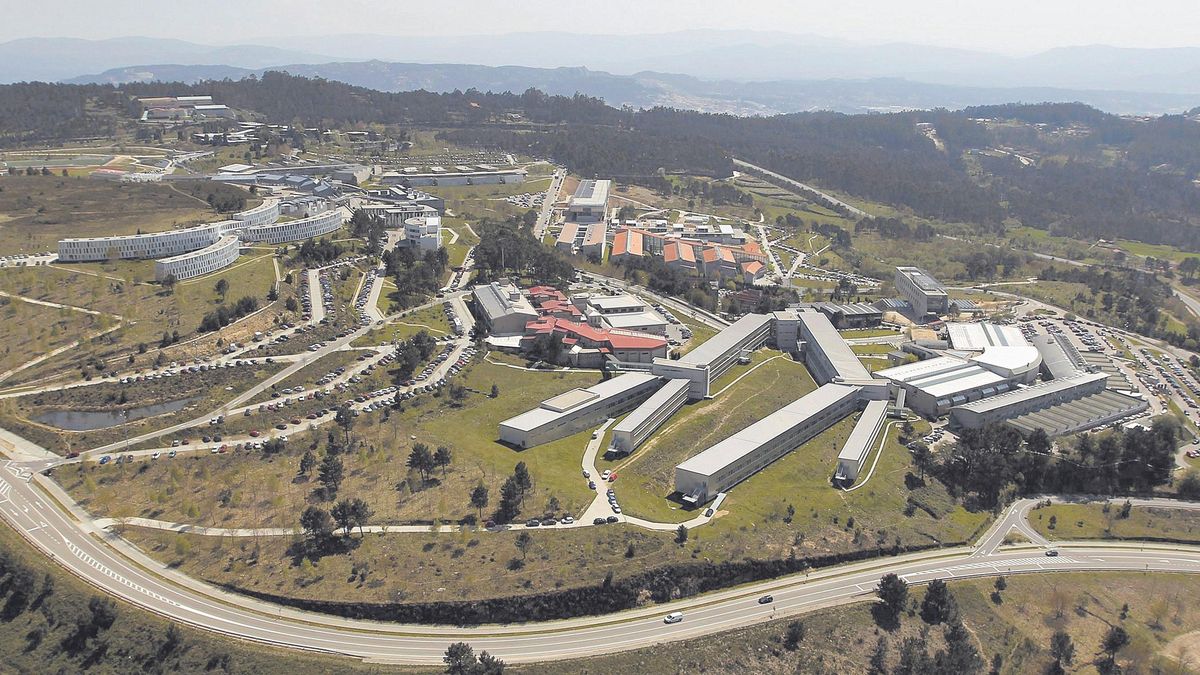
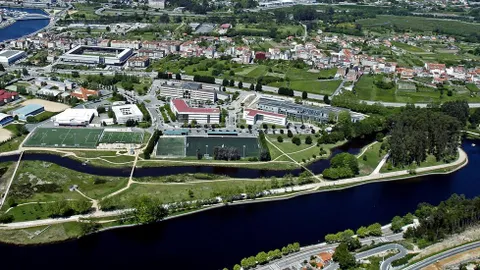
Vigo Campus
Students Affairs Office
The Uvigo keeps a web page with key information for students here. You can get information about what to study, access, academic organization, students management and more.
The International Relations Office (ORI) plays a main role to ensure that international mobility students receive the help they need to manage academic and administrative formalities during their stay.
More info:
- https://www.uvigo.gal/en/international/mobility-programmes
- International Relations Office
Edificio Miralles
As Lagoas, Marcosende
36310 Vigo - +34 986 813 550 | 986 811 947
- General enquiries: outgoing.ori@uvigo.gal | incoming.ori@uvigo.gal
- Office hours: Monday to Friday, 9:00–14:00
Financial Support for Students
Students can access various financial support programs, including scholarships, grants, and tuition fee waivers. The university collaborates with government and private institutions to offer need-based and merit-based financial aid. Work-study opportunities and part-time jobs are also available to help students finance their studies while gaining professional experience.
Mor information about grants can be found here. A variety of grants is available:
- Study grants
- Inclusion grants
- Training grants
- Awards
Insurance
EU/EEA students with a valid European Health Insurance Card (EHIC) can usually access public health care under the same conditions as Spanish residents.
Non‑EU students are advised to ensure they have appropriate health insurance while living in Spain, as Spanish public health does not automatically cover non‑EU nationals without insurance or residency. Often this means private insurance or reimbursement arrangements with an insurer from their home country.
In addition, the university provides school insurance and accident coverage (e.g., the UVigo seguro escolar and seguro de accidentes for registered students), which can help in cases of accidental injury during university activities. This covers students from official degrees that are under 28 years old in the event of a school accident, illness or family misfortune. It will grant medical, pharmaceutical or economical services depending on the issue.
If you’re sick or have an accident, you must go to the INSS with your registration slip (it must appear that you have paid for school insurance) before you go to your health center. If an emergency occurs, you can file the paperwork on the INSS afterwards.
INSS offices:
- Ourense: rúa Concello,1 - 988 521 000
- Vigo: rúa O Grove, 4 - 986 249 700
- Pontevedra: rúa Gagos de Mendoza, 4 - 986 850 823
More info available here.
Support for students with disabilities and special needs
The University of Vigo provides support for students with disabilities through a dedicated service (SIOPE), offering personalised assistance, academic accommodations, and accessibility support. Facilities across campuses are adapted (e.g., accessible buildings, transport, and learning resources), and students can benefit from counselling, volunteer assistance, and inclusive programmes. Early contact with the service is recommended to ensure appropriate arrangements.

Medical Facilities
The Campus of Vigo offers on-site medical services to ensure the well-being and safety of students, staff, and visitors. These facilities complement local hospitals and clinics, providing immediate care, preventive support, and guidance for emergencies.
On-Campus Medical Services
1. University Health Unit
- Provides basic medical care and first aid for minor injuries and illnesses.
- Services include:
- Minor medical consultations (flu, minor infections, cuts, sprains).
- Health advice and referral to specialised services or hospitals when needed.
- Coordination with local emergency services in case of serious incidents.
- Staffed by qualified medical personnel.
2. Mental Health and Counselling Services
- Offers confidential support for students dealing with stress, anxiety, personal or academic issues.
- Services include:
- Individual counselling sessions.
- Workshops on mental wellness, study skills, and stress management.
- Referral to specialised mental health care if required.
3. Preventive Health and Wellness Programs
- Health promotion campaigns in collaboration with local health authorities.
- Topics may include vaccinations, healthy lifestyle tips, sexual health awareness, and mental health workshops.
- Occasional on-campus health checks or educational sessions.
Emergency Health and Hospital Services
For urgent or specialised care beyond the scope of the University Health Unit, students are referred to local hospitals:
- Hospital Álvaro Cunqueiro (Vigo) – primary hospital for emergencies and specialised medical attention.
- Emergency services can also be reached by dialing 112.
Learning Facilities
The campus features well-equipped classrooms, lecture halls, and seminar rooms with multimedia systems, Wi-Fi access, and digital teaching tools to support interactive and blended learning. Many spaces are designed for small-group activities, project-based learning, and practical sessions, allowing students to actively engage in their studies.
Students have access to the Central Library of the Vigo campus and faculty-specific libraries (check here), providing study areas, computer workstations, and group study rooms, as well as extensive collections of books, electronic resources, and academic journals. Library staff offer research guidance and information literacy training to help students make the most of these resources.
The Vigo campus also hosts specialized laboratories, workshops, and technical facilities in fields such as Engineering, Computer Science, Telecommunications, and Health Sciences, enabling students to apply theoretical knowledge in practical settings. Check the resources available at the Organizational Units.
Sport and Leisure Facilities
The Vigo campus offers a variety of sport and leisure facilities to promote health, well-being, and social interaction among students (check here). These facilities are designed to support both recreational activities and competitive sports. For leisure, students can enjoy green spaces, recreational areas, and student lounges, which provide opportunities for relaxation, socializing, and informal sports. Most facilities are accessible with a student sports card, often at reduced fees, making it easy for students to maintain an active and balanced lifestyle.
Own facilities
- Synthetic grass field
- Natural grass field
- Running track
- Sports and health building: Multipurpose rooms, classroom, and Psycho-pedagogical office
- Sports pavilion: Track, rock climbing wall, tennis courts and cardio-fitness room
- Athletics track
- Tennis court
- Knowledge Park (Parque do Coñecemento): Orientation
- Table tennis area
External facilities (CAD Vigo)
- Swimming pool
- Squash court
- Cardio-fitness room
- Fitness room
- Indoor cycle room
Special Facilities
The campus provides accessible infrastructure for students with disabilities, including ramps, elevators, adapted classrooms, and dedicated support services to ensure equal participation in academic and campus life.
Students can also benefit from modern cultural and creative spaces, such as auditoriums, exhibition areas, rehearsal rooms, and multimedia workshops. These spaces host artistic performances, student-led projects, conferences, and cultural events, fostering creativity and collaboration.
Additionally, there are cafeterias, common areas, and lounges, providing spaces for social interaction, group work, and informal gatherings.

Practical Information For Incoming Mobile Students
The University of Vigo is committed to making your stay as smooth and enriching as possible. Check the specific sections for information accommodation, campus location and transport, health, etc.
The International Relations Office (ORI) and Student Support Unit (SAE) provide guidance on:
- Academic issues and course registration.
- Orientation sessions and integration activities.
- Accessibility services and support for students with special needs.
The Buddy Programme pairs incoming students with local students to help them adapt to university life and the city.
Once registered, students receive a University of Vigo student card, which provides:
- Identification as a UVigo student.
- Access to libraries, labs, and sports facilities.
- Discounts for transport and cultural events.
Free Wi-Fi is available across all campuses through the eduroam network.
VISA
Visa management at the University of Vigo is supported through the International Relations Office, which provides incoming students with guidance on visa requirements, necessary documentation, and pre-arrival procedures. While students must apply for their visa through Spanish embassies or consulates in their home country, the university supplies essential documents such as the admission letter and offers advice throughout the process. Upon arrival, additional support is provided for residence procedures, including obtaining the NIE and TIE.

Cost of Living
Vigo is a relatively affordable city for students, especially compared to larger Spanish cities like Madrid or Barcelona. A student budget of €600-700 per month can comfortably cover accommodation, food, transportation, and leisure activities.
Advise
Avoid 24 hour markets as they are more expensive than normal supermarkets.
Estimations
Costs including accommodation could range between 800 and 1200€ per month.
| Product | Cost |
|---|---|
| Coffee | 1.50 - 2.50 |
| Full Breakfast | 4.00 - 8.00 |
| Lunch or Dinner | 12.00 - 20.00 |
| Cinema Ticket | 6.00 - 9.00 |
| Gym Membership (monthly) | 25.00 - 40.00 |
| Grocery Shopping (weekly) | 40.00 - 60.00 |
Housing
A hall of residence is located on the Campus. Own centers and state assisted centers ara available in the Vigo city, which provide furnished rooms, shared common areas, study spaces, and basic services in a secure, academic environment. Students can apply for university residences and halls of residence.
Many students also choose private accommodation, including shared apartments, studios, or rented rooms near the campus. The university offers practical guidance and resources, including lists of reliable rental options, tips on contracts, approximate rental costs, and advice on local neighborhoods.
For further information, you can contact the Students Information Service (SIE):
Vigo Campus
sie@uvigo.es
+34 986 813 630
Transport
The main bus lines you can use to get to the Vigo Campus (As Lagoas ‑ Marcosende) using the city’s urban bus system (Vitrasa): vitrasa.es
Key Urban Bus Lines to the Vigo Campus
U1 – Shuttle service to the campus from Plaza América (operates during the academic year).
U2 – Shuttle service to the campus from Plaza de España (operates during the academic year).
A – Year‑round line that stops at or near the campus.
15C – Line serving the campus on weekdays (except in August).
These lines connect the city centre and key points in Vigo with the university campus at Lagoas‑Marcosende in about 20–30 minutes, depending on traffic and timings.
Tips for Using the Bus Service
- Students can request a PassVigo Universitario transport card with reduced fares for regular travel.
- Use the Vitrasa official website or apps like Moovit/Vigo App to plan routes and check timetables.
Meals
The campus features university cafeterias and dining halls, providing breakfast, lunch, and dinner with balanced menus, vegetarian options, and accommodations for special dietary needs. These dining spaces are designed to serve large numbers of students while maintaining quality and affordability.
In addition to university-managed dining services, the Vigo campus has cafeterias, snack bars, and vending machines, offering quick meals, beverages, and snacks between classes. Many of these spaces also serve as social hubs for studying and meeting fellow students.
For students living off-campus, the city of Vigo provides a wide variety of restaurants, cafés, and supermarkets, including options for budget-friendly meals, international cuisine, and local specialties. The university provides guidance and practical information on nearby dining options, helping students plan their meals and enjoy local gastronomy.

Student Associations
The Vigo campus has a vibrant network of student associations that provide opportunities for extra-academic engagement, personal growth, and community involvement.
Some examples of active associations at the Vigo campus include:
- AUVigo – the student union representing student interests.
- Engineering and Technology Clubs – organizing competitions, workshops, and technical projects.
- Cultural and Arts Societies – promoting music, theatre, and visual arts.
Work placement possibilities
Each faculty or school coordinates work placements related to its fields of study. For example:
- Engineering Schools offer internships that can be 6 ECTS or 12 ECTS and may lead to credits or experience relevant to final degree requirements.
- The Faculty of Biology and other sciences include external internships as part of the training to improve students’ integration into the labour market.
- Faculties such as Economics, Commerce, Design, Chemistry, and Marine Sciences also facilitate placements in companies and organisations to apply theoretical knowledge in real professional environments.
Sport clubs/programs
At the Vigo campus you can participate in Sport Schools (Escuelas Deportivas) where you can learn and practice sports at different levels. These include:
Badminton
Pickleball
Beginner bouldering (climbing)
Beginner rugby
uvigo.gal
These activities encourage involvement in sports you may not have tried before and support the development of healthy habits and new skills.
uvigo.gal
University Leagues and Team Sports
UVigo organizes internal leagues and mixed competitions that encourage friendly competition and team spirit among students. Students can take part in:
Mixed basketball
Handball (men’s and women’s)
Mixed football (soccer)
Futsal (indoor football)
Rugby 7 (men’s and women’s)
Mixed tennis
Mixed volleyball
Language courses
The UVigo offers a variety of language courses to help students improve their communication skills, enhance academic performance, and support integration into university and local life.
The Language Centre (Centro de Linguas) provides courses in Spanish as a Foreign Language (ELE) for international students, with different levels ranging from beginner to advanced. These courses are designed to help students develop reading, writing, listening, and speaking skills, and are often available at reduced fees or free for exchange students.
In addition, UVigo offers opportunities to study Galician, the co-official regional language, through courses provided by the Galician Language Standardisation Service (Área de Normalización Lingüística). These courses introduce students to Galician language and culture, providing insight into local traditions and enhancing daily interactions on campus and in the community.
Students can also participate in courses for other foreign languages, depending on demand and availability, to support academic and professional development. Many language courses include cultural activities, workshops, and conversation practice, allowing students to apply their skills in real-life contexts.
Events and culture
Main events in Vigo City:
- February-March:
- Carnival (Entroido). Festive parades, costumes, music, and street celebrations before Lent.
- La Reconquista de Vigo – Historic reenactment of Vigo’s liberation from Napoleonic troops, with music, workshops and traditional markets
- April - June:
- Semana Santa (Holy Week) – Religious processions and cultural activities throughout the city.
- July:
- Festival Internacional Aéreo de Vigo – Annual international air show over the beaches of Vigo
- Fiesta del Carmen (Virgin of Carmen) – Maritime procession and festivities honoring the patron saint of sailors on July 16.
- Vigofolcelta – Celtic cultural festival featuring medieval markets, music and performances.
- August:
- Vigo’s Great Week (Semana Grande / Vigo Festival) – Major summer fiesta with concerts, parades, and the Christ of the Victory procession in early August.
- O Marisquiño – European‑leading urban culture and extreme sports festival with music, graffiti, BMX, skateboarding, and cultural exhibits (early August).
- Galicia Fest (Concertos do Xacobeo) – Urban indie‑pop music festival at Muelle de Trasatlánticos.
- September - October
- Autumn concerts and theatre programs – Vigo hosts a regular schedule of concerts, theatre productions and live shows in venues like Auditorio Mar de Vigo and Teatro Afundación throughout the autumn.
- November - December:
- Underfest Xacobeo (November) – Celebrated music festival blending contemporary culture and local artistic scenes, with concerts and exhibitions across the city.
- Christmas and New Year Events – Holiday markets, light displays, concerts, and seasonal cultural activities. (Recurring annual tradition.)